
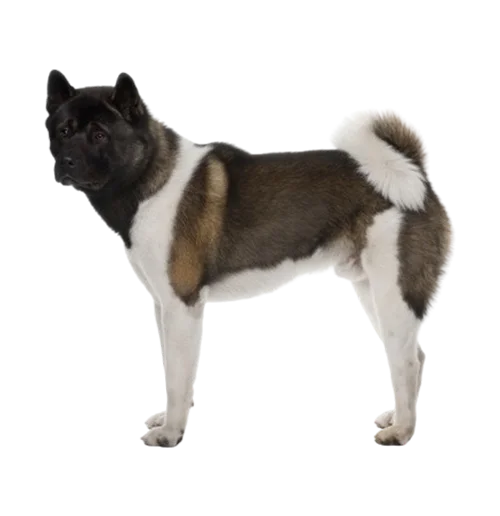
Picture Courtesy:
ASIA PETS
Akita
Welcome both Health and Well Being into your home
Origin: Japan
Group: Dog
Origin of Name: Origin: Japan Group: Utility Origin of Name: Akita, the name draws its inspiration from the place where it was developed in. It was bred in the northernmost region in the island Honshu in the Akita prefecture. The ancestry maybe still shrouded in history but t...
Size
32-59 kg
Lifespan
10-15 years
Height
61-71 cm
Best For
Family, Guard
Origin
Japan
Colours
White, Brindle, Red Fawn...
Akita Dog Breed Information
Origin: Japan
Group: Utility
Origin of Name:
Akita, the name draws its inspiration from the place where it was developed in. It was bred in the northernmost region in the island Honshu in the Akita prefecture. The ancestry maybe still shrouded in history but the name is something that everyone is certain about.
Akita is not for everyone; this is a majestic breed to look at but will not be a good option for the first time owners. They need experienced handling and has been especially developed in the polar environment of Japan. As most of the breeds in the Asian countries, Akita also has been closely associated with royalty. In fact it is believed that in Japan when someone is sick or pregnant, a small statue of an Akita is given to bring in wealth and luck into the family.
Akita Inu is an excellent guard dog and can be quiet protective when it comes to guarding his or her own family. They have a double layer coat, that helped them to survive the cold and harsh winters of the upper reaches of Japan and there robust body helps them to easily scale the snow covered mountains. This will not be the right breed to keep in warmer places.
This is generally a healthy breed and does not suffer from many health issues. It is prone to the common ailments associated with the giant breed. This is an extremely active large breed dog that will be your fatihful companion for life. So, Akita will not be the perfect choice for smaller spaces such as apartments and condominiums. In this following write up we will help you to understand your Akita better and if you are a prospective owner then we will help you evaluate your decision before taking the plunge.
Friendliness
How well does the Akita get along?
5
Family
3
Children
1
Other Pets
1
Strangers
Pros & Cons of Owning a Akita
Advantages
- ✓Extremely loyal
- ✓Excellent guard dog
- ✓Clean and quiet
- ✓Dignified
- ✓Beautiful appearance
Considerations
- ✗Can be aggressive with other dogs
- ✗Strong-willed
- ✗Heavy shedding
- ✗Needs experienced owner
- ✗Dominant
Health
Average Lifespan
10-15 years
Health Tips
Japenese Akita was bred in Japan and is one of the few breeds that has the esteemed designation of being a Natural Monument. The breed is considered to be the National dog of Japan.
The ancestors of this breed are not known clearly though most scholars widely believe that they are the descendants of the Spitz family. There are many who believe that Akitas was bred to be pit fighting dogs for various events that took place in 17th, 18th and 19th century. Since their introduction, they have been widely used in various different utilities such guard and police dog services across Japan.
Unique AspectsIf you are smitten by an Akita inu, it is very important to know some things that will help you understand them better. These are just a few pointers that make your Akita different from the other dog breeds in the canine kingdom.
One of the foremost things to remember when getting an Akita is that this is a temperamental dog that can at times turn to aggression as well. If you have a prolonged eye contact with this breed then he or she might find this as a challenge and even respond aggressively at times. They can even turn dominant towards the same sex dogs as they might find it as a tussle to establish their supremacy. If you have another pet then think twice before getting this breed home.
Your Akita is a large breed dog so they are not the perfect pets for apartments and condominiums style of living and is certainly not for the first time owners. You will not be able to handle this pet. This is a breed only for experienced owners.
Training & Grooming
Training
GroomingIf you already own or are an aspiring Akita owner then be prepared to see hair everywhere around you. Their double coat sheds a lot so brace yourself for it. Other than this there are not many grooming requirements for this breed. They shed all-year round and a little excessively twice a year when they fully shed their hair. So, this will not be a bad time to take out the vacuum cleaner. They will not need frequent baths also until they roll in something obnoxious.
The Akita has a double coat of medium length hair. The top coat is straight and the undercoat is soft and dense and this is the one that sheds all year round. This breed is used to living in colder climates so will shed more in warmer climates. You will need brush the coat at least once a week and in shedding season almost every day. This will ensure that there is no matting of the coat and also ensures less of loose hair around the house.
In addition to this you will need to follow a regular grooming regime with your pet that is brushing the teeth of your Akita, this should be done at least once on a weekly basis as this will help to remove all tartar buildup and ensure a fresh breath at all times. This will also prevent various gum diseases.
The toe nails will require clipping on regular basis to prevent any problems further as dog nails have veins in them and if it gets chipped then it can be very painful for your pet. You should always start this grooming regime in your pet from an early age as this will ensure that he is not temperamental when someone touches his or her feet, mouth or ear at a later stage.
Frequently Asked Questions
Common questions about the Akita
+What is the story of Hachiko?
+Are Akitas good guard dogs?
Looking for a Akita?
Explore our listings of Akita puppies for sale from verified breeders across India.
Find Akita PuppiesAkita Puppies for Sale
Akita Puppy for Sale in Car Nicobar
Car Nicobar, Andaman and Nicobar Islands
Healthy Akita Inu Puppy Available in Diglipur
Diglipur, Andaman and Nicobar Islands
White Japanese Akita Puppy in Mayabunder
Mayabunder, Andaman and Nicobar Islands
Premium American Akita for Sale in Port Blair
Port Blair, Andaman and Nicobar Islands


